Preparation guide · 1 of 8

Planning your expedition

Flights, insurance, visas, budgeting and the admin to sort well before you fly.

Make a plan

Start early, stay flexible

You are heading to a place whose way of life is very different from your own. Pack a flexible attitude, a sense of humour and a willingness to meet the unexpected. Then start planning now rather than in the last few weeks.

Crossing the Kokoda Track is a significant commitment of time, money and effort, and the people who enjoy it most are the ones who treated the preparation as part of the journey. Work through the steps below in roughly this order and tick them off as you go.

Expeditions differ in length, direction and whether they are Australian-led or locally led. Check the details of your own departure on the No Roads Expeditions trip page.
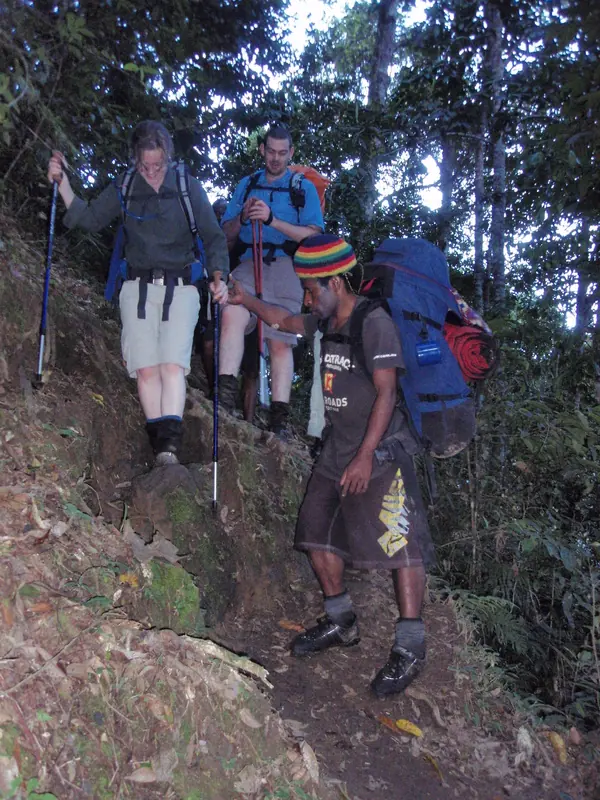
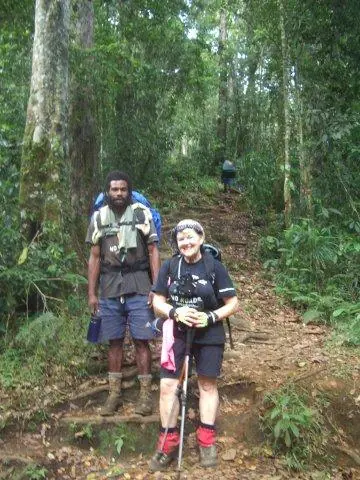
Trekkers on a ridge of the Kokoda Track

A sensible order of operations

  1. Pick your departure and book leaveReserve your place with No Roads Expeditions and arrange time off work well in advance. Popular departures, especially around ANZAC Day, fill early.
  2. Book flights, then insuranceOnce your deposit is paid, book flights to Port Moresby. Arrive early in the day if you can: domestic connections can slip, and trek departures cannot be delayed.
  3. See your doctor and start trainingDo both before anything else physical. See the Health and Fitness pages.
  4. Research the historyThe sites mean far more when you know what happened there. Start with our history page.
  5. Sort the paperworkPassport valid for at least six months, a PNG visa, and your insurance details sent to the No Roads office at least two weeks before departure, along with flight details, emergency contacts and dietary or medical needs.
  6. Buy and test your gearWear in your boots and try your pack on training walks well before you go. See the Gear page and the printable checklists.
A trekking checklist
Work from a checklist, not from memory.
Two trekkers on the Track
Training with a friend keeps you both honest.
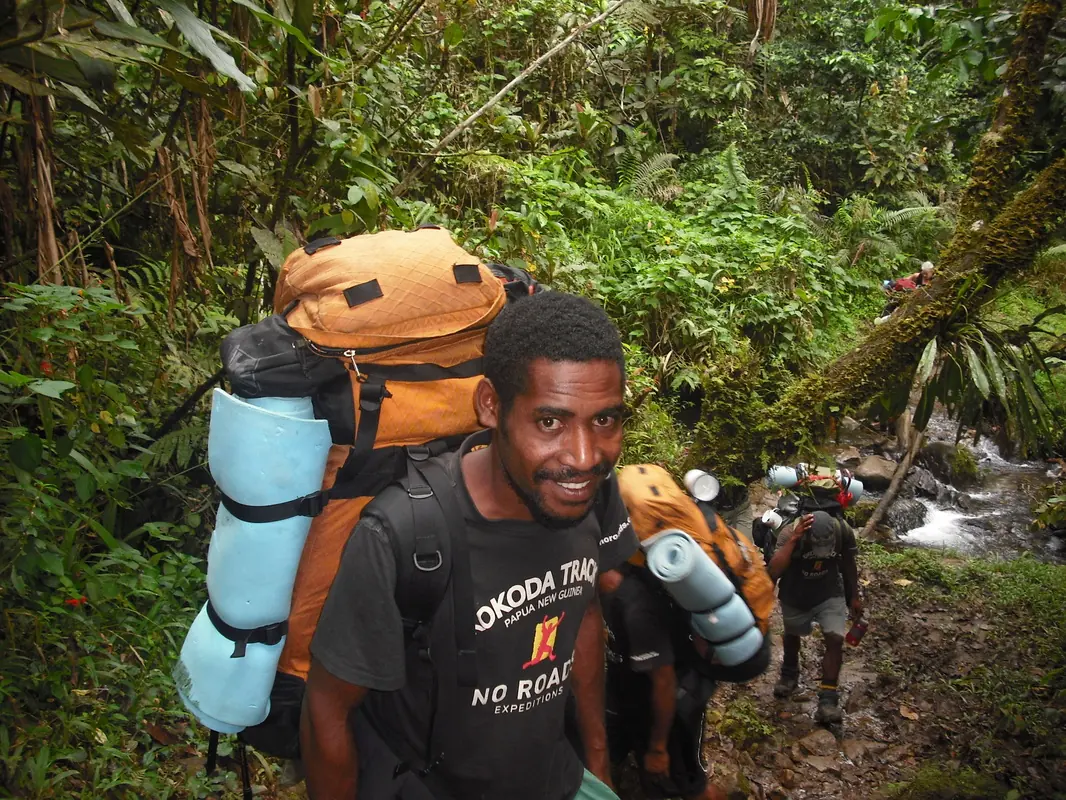
Local team member on the Track
The local team are the heart of every crossing.
Essential

Travel insurance

Emergency medical evacuation cover is mandatory for all trekkers. Medical facilities in Papua New Guinea are not comparable with those at home, and helicopter or air evacuation is very expensive. Your policy must cover aero-medical evacuation from PNG, trekking in remote areas, and include a 24/7 emergency number.

Getting there

Flights to Port Moresby

Most trekkers fly to Port Moresby (Jacksons International Airport) from Australia, often via Brisbane or Cairns. Book once your deposit is paid and the trek is confirmed, and let the No Roads office know your flight details.

  • Aim to arrive the day before your briefing, and as early in the day as possible, so a delayed flight doesn't cost you a trek day.
  • Consider flexible fares. Trek departure dates are fixed, and flights home can be affected by weather delays on the Track.
  • Check your luggage allowance. Small domestic aircraft to Kokoda or Popondetta have a tight weight limit, so your trek pack stays light.
  • Allow generous time on the return trip. Don't book a tight onward connection on the day you finish.
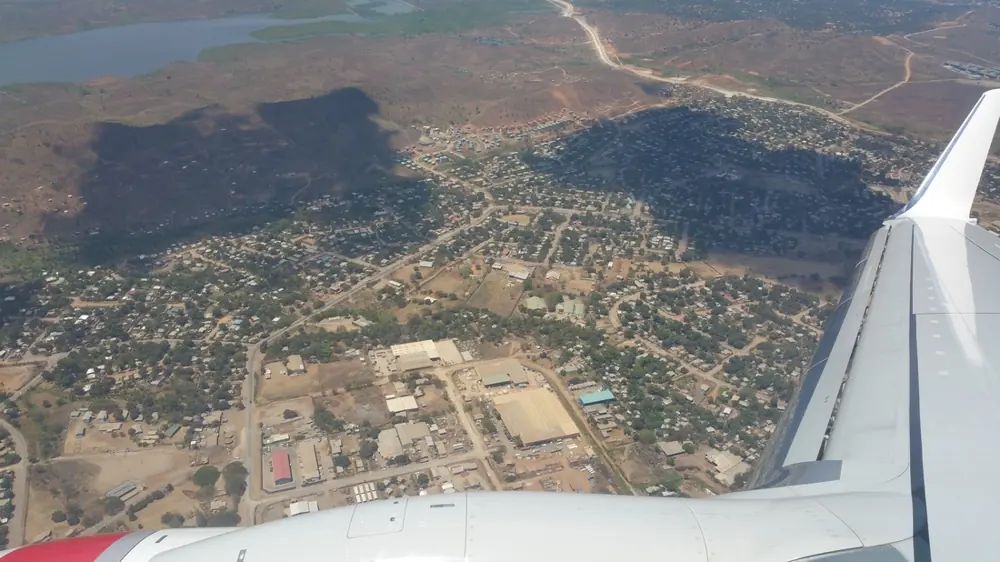
Aerial view of Papua New Guinea from the plane
Aircraft wing over cloud
Flying north from Australia
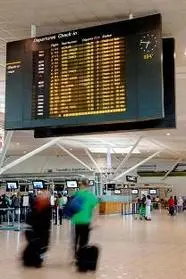
Airport departure board
Departures board
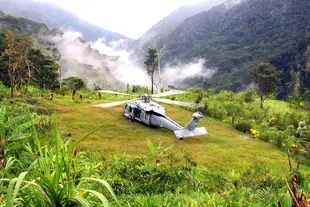
Helicopter landed in a mountain clearing
A helicopter landing zone on the Track
Paperwork

Passport and PNG visa

Your passport needs at least six months before expiry on the day you arrive, and blank pages for stamps. Carry a photocopy of the photo page and a spare passport photo, kept separately from the passport, in case of loss.

Most visitors can apply online for a PNG tourist visa (eVisa) before travelling. Government processes can be slow, so start months ahead and check current requirements and fees on the official PNG immigration website before you apply. Your No Roads contact can point you in the right direction. If you are not an Australian citizen, check the entry requirements for your own passport early.

Australians can register free with the government's Smartraveller service before leaving, which helps if there is an emergency while you are away.

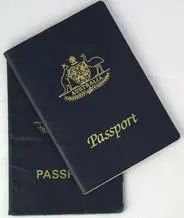
Australian passports
Check your expiry date
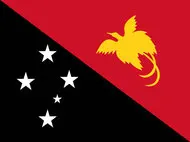
Flag of Papua New Guinea
Papua New Guinea
Money

Budgeting and money matters

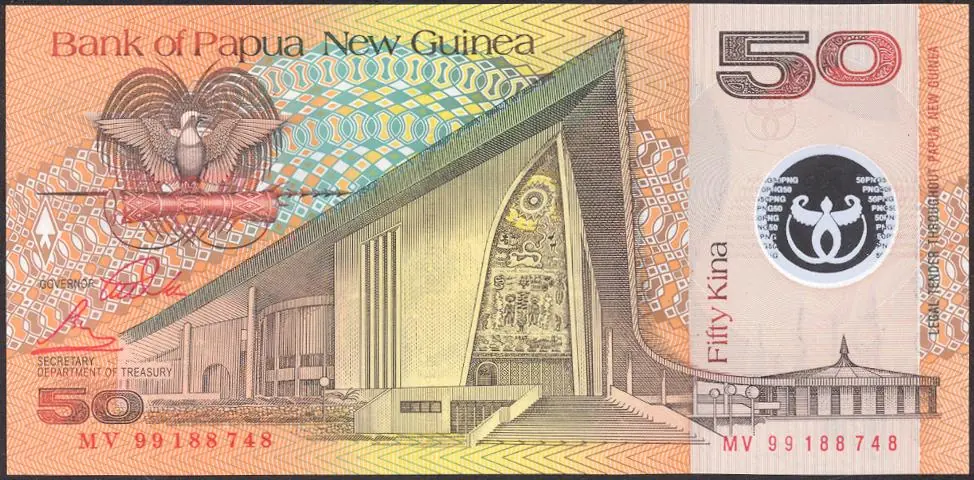
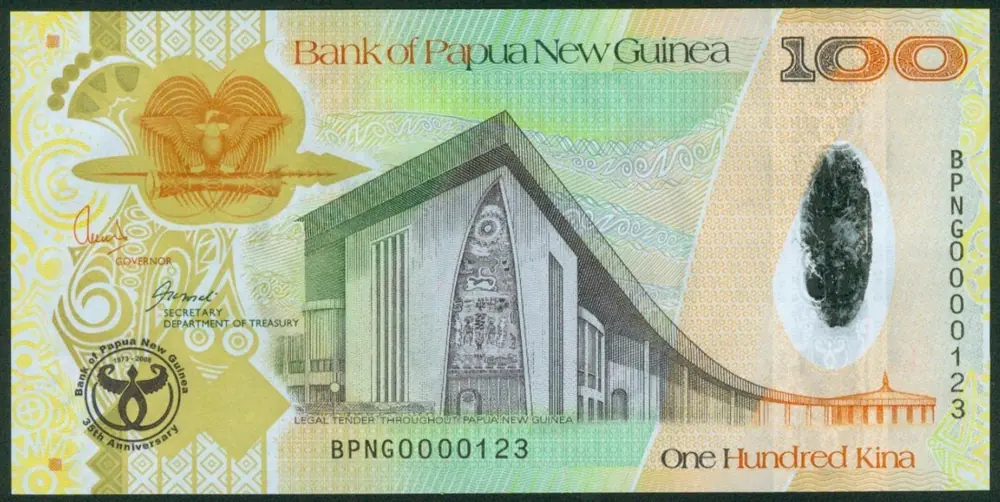
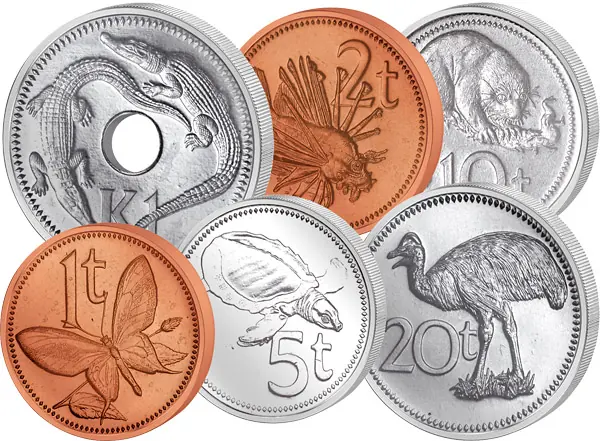
The trek fee is the biggest cost, but it isn't the only one. Plan for the full picture so there are no surprises. PNG's currency is the kina. Take some cash in small notes for fruit, drinks and village visits, and a little extra for Port Moresby. Cards and ATMs are not always reliable, so don't depend on them.

  • Your trek booking (deposit and final payment) and optional personal guide
  • Flights, insurance, passport and visa
  • Medical consultation, vaccinations and anti-malarials
  • Gear, clothing and footwear, plus a personal first-aid kit
  • Meals, drinks and hotel extras in Port Moresby
  • Small spending money for the Track and a tip for the local team
  • Optional: personal trainer or gym membership, waterproof camera, extra snacks

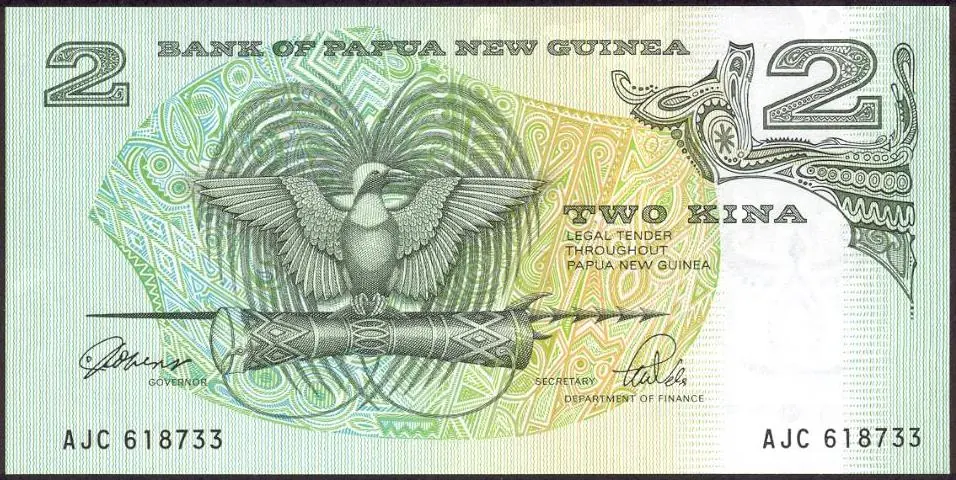
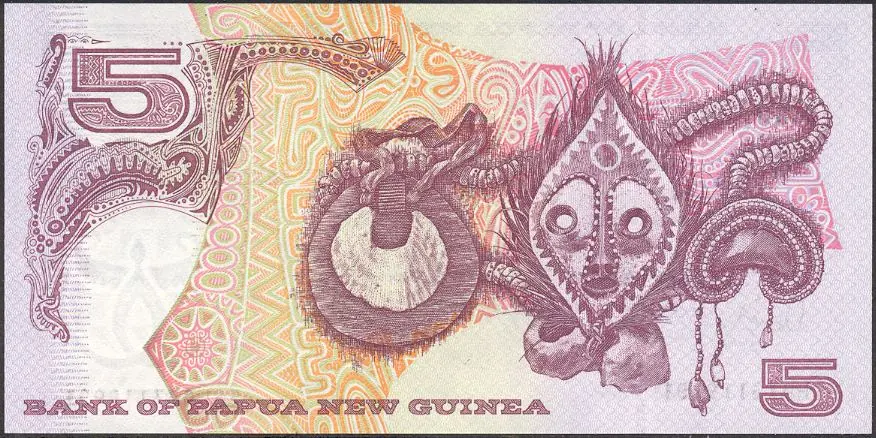
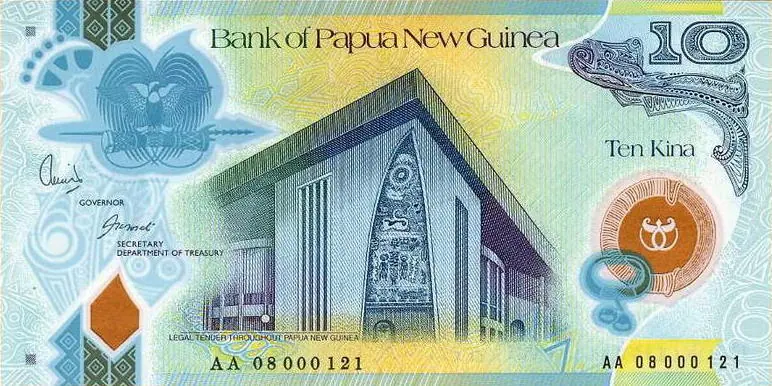
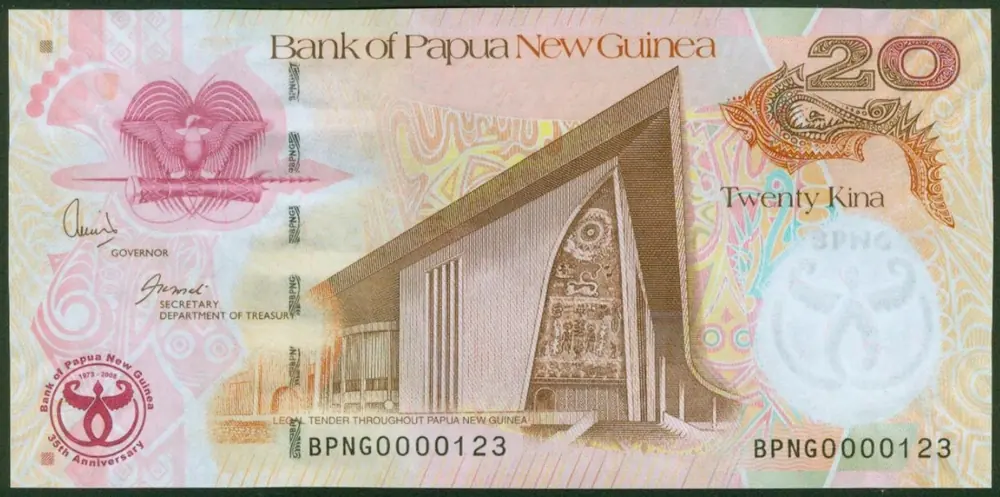
Kina notes and coins you are likely to handle

Two kina note
K2
Five kina note
K5
Ten kina note
K10
Twenty kina note
K20
Fifty kina note
K50
One hundred kina note
K100
Kina and toea coins

Small notes are the most useful on the Track. Exchange rates change, so check a current rate before you go.

Paperwork

Medical forms and checklists

Your medical certificate, supplementary health form and the Kokoda gear checklist are all on our Checklists and downloads page.

Local team member carrying a pack
Optional

Should I hire a personal guide?

All trekkers are supported by a guide team who carry the group's tents, cooking equipment and food. A personal guide is an optional extra who carries your pack each day and walks near you to help over rocks, logs and tricky sections.

It is not a weakness or a lesser achievement. People hire one for comfort, for a heavy camera kit, because of an old injury, or simply to support the local economy. If you are an inexperienced trekker, or over about 55, it is well worth considering. If you use one, you carry a day pack with water, camera, snacks and your first-aid kit. Ask No Roads about availability and cost when you book, and plan to tip them separately at the end.

Previous← OverviewNextHealth →