Daily life on the Track, staying healthy and safe, and an example itinerary.
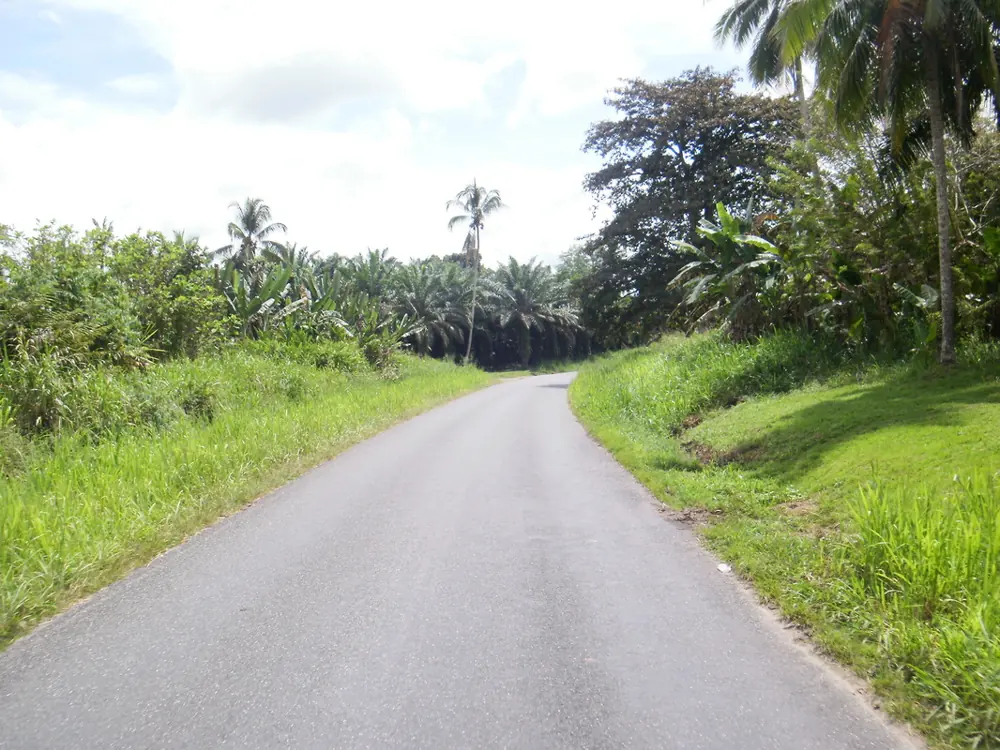
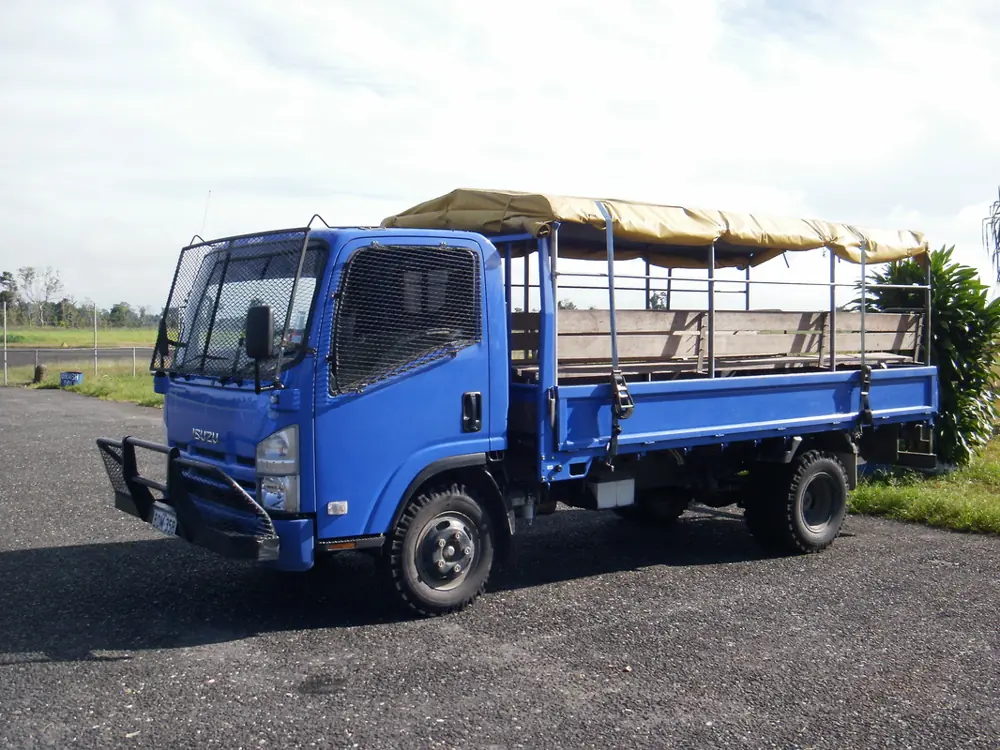
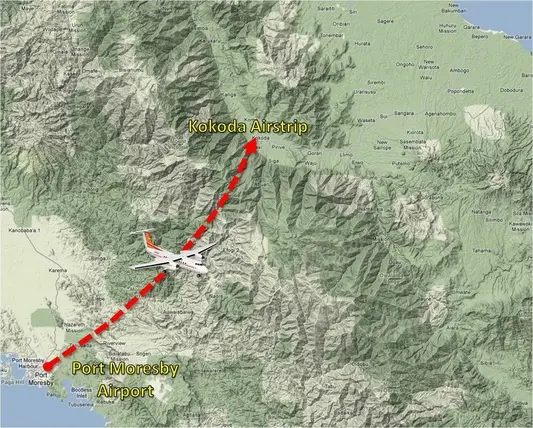
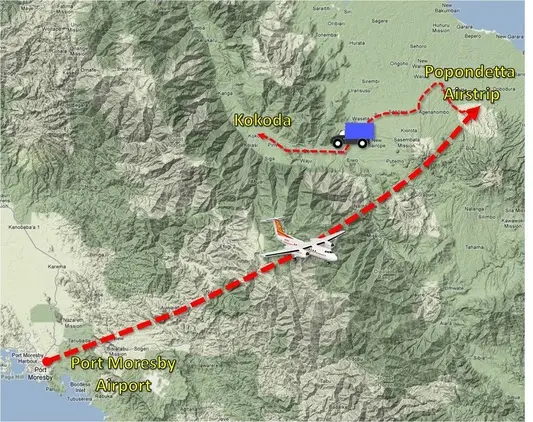
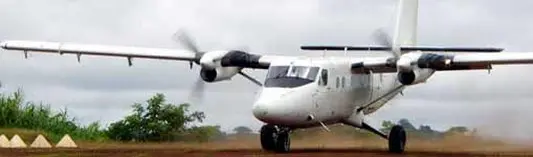
Depending on your itinerary, the trek begins with a short flight over the ranges to Kokoda, or with a drive by truck to Owers' Corner. Either way the journey is part of the adventure. Weather can delay or reroute flights, so keep a relaxed attitude: your guide manages the bookings and the changes.
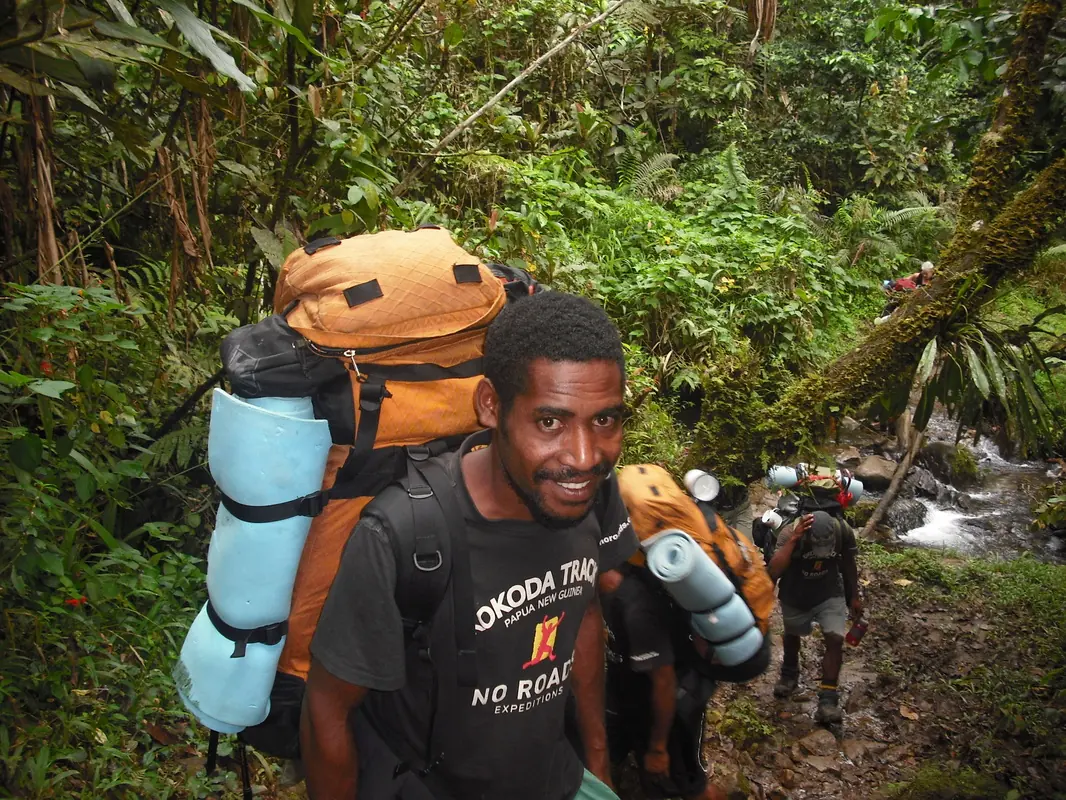
Your main pack is weighed for the flight, and the local team organise carrying. Everything you won't need on the Track stays safely in Port Moresby.

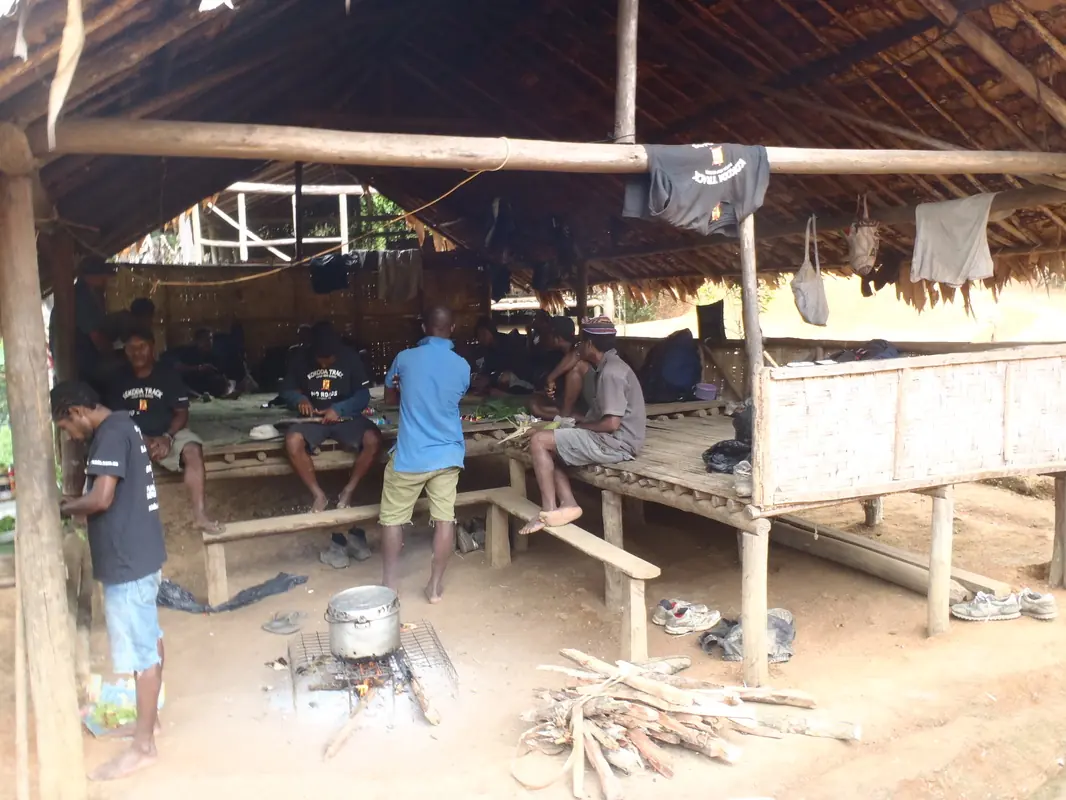
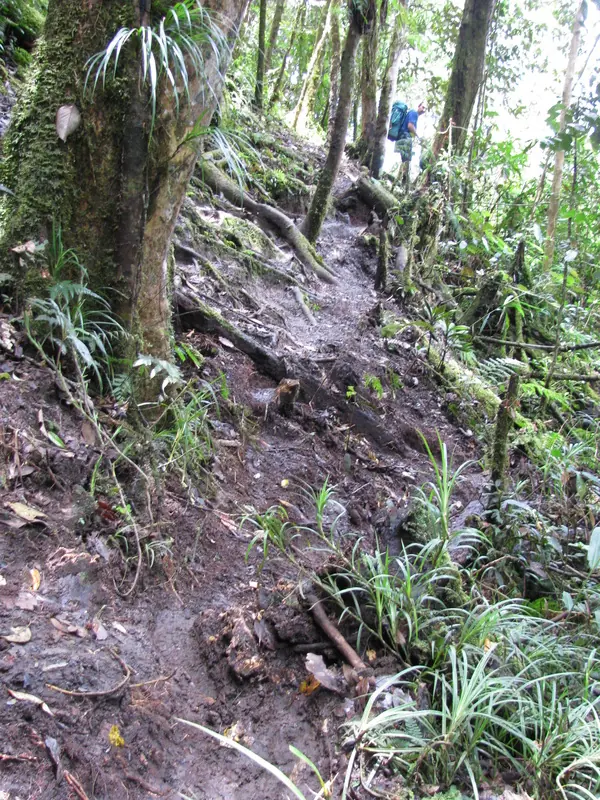
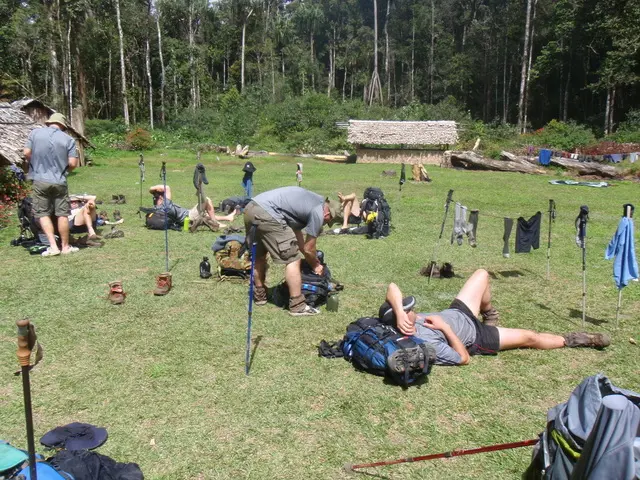
Every day brings new sights, but the rhythm is similar. Your team wakes you early, packs the camp and cooks while you get ready.
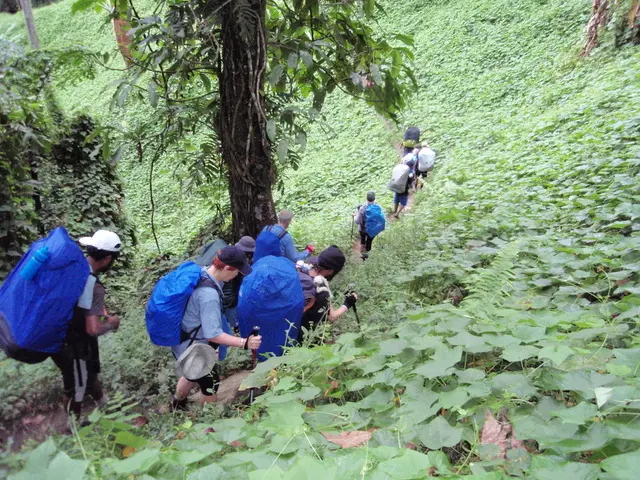
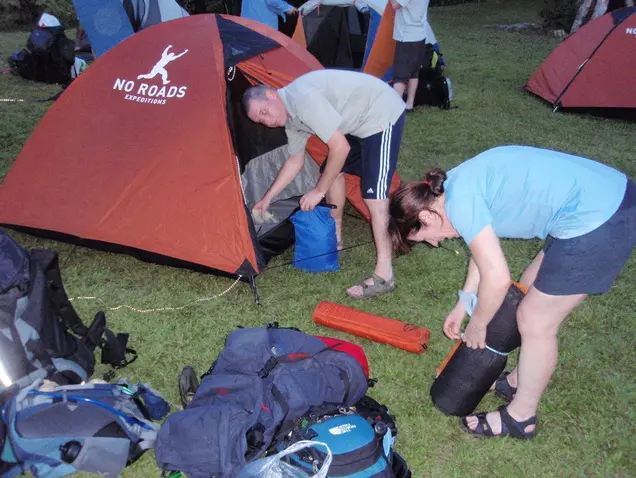
A tidy pack is a quick pack. Keep the same item in the same place every day so you can find your headlamp in the dark. Pack your sleeping gear first each morning, then clothes, then snacks in easy reach. Keep your dry camp clothes sealed in a bag and never wear them while walking. Re-check that your pack cover is accessible before rain hits.
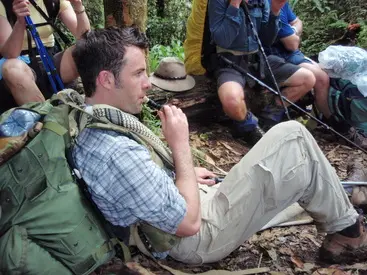


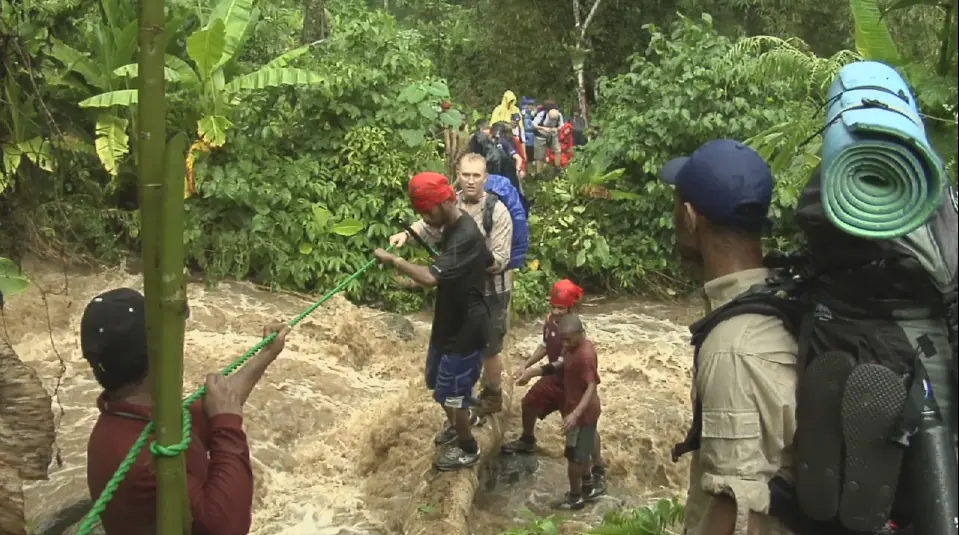
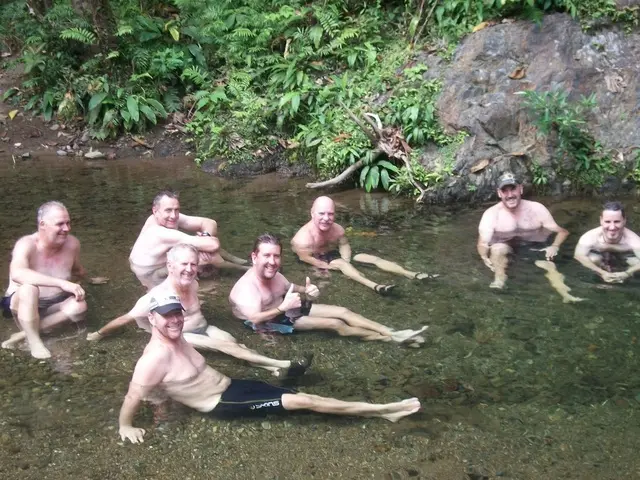
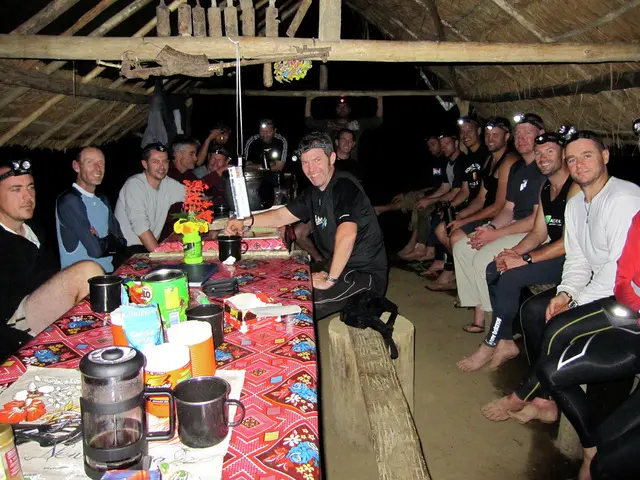
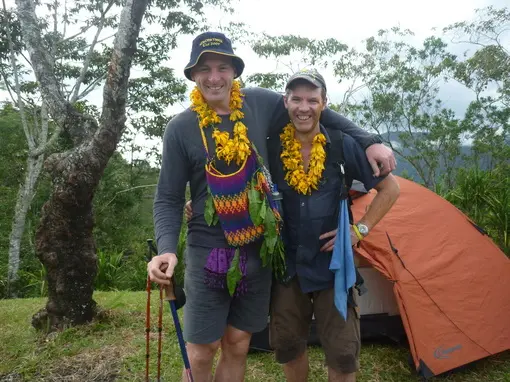
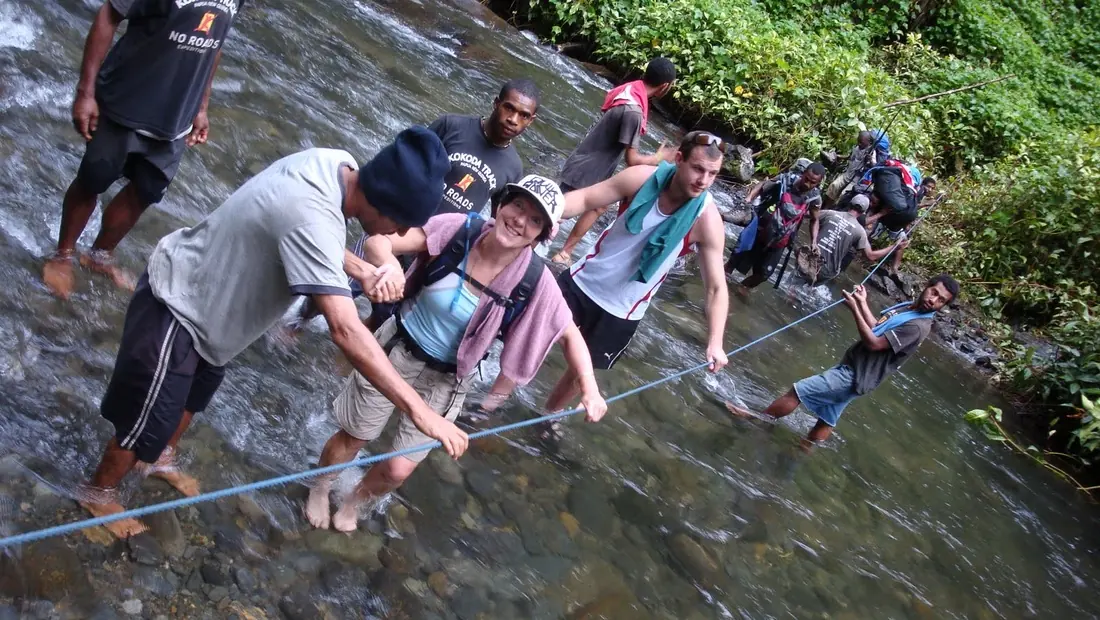
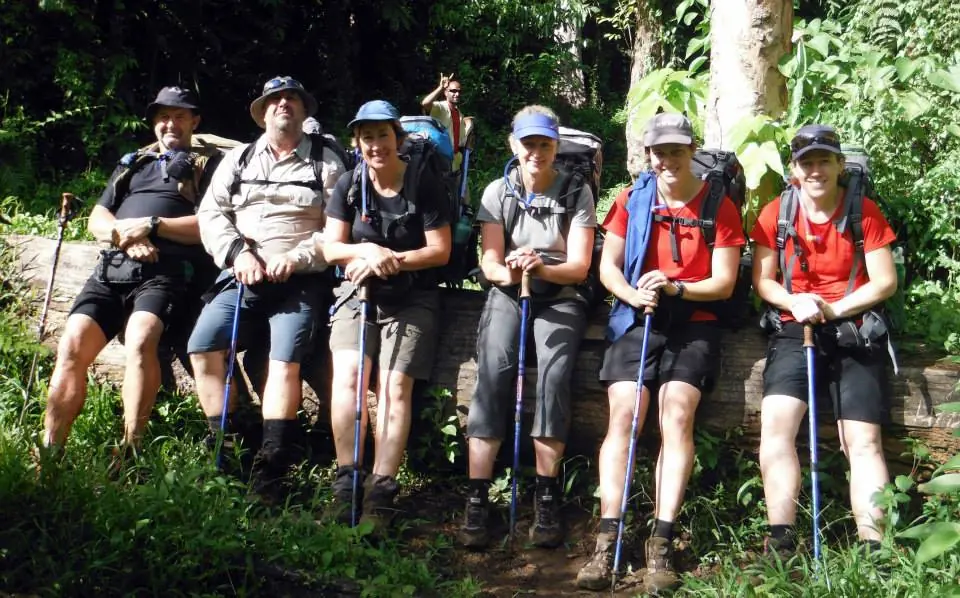
You'll spend more than a week in close company, tired, muddy and happy. Be patient, share the load, stay positive when others flag, and respect the villages and the guide team. The porters' singing at rest stops is one of the best parts of the day.
Everyone has a bad day. Look out for the people around you, and let your guide know early if you're struggling. The group will carry you through, and you'll do the same for someone else.


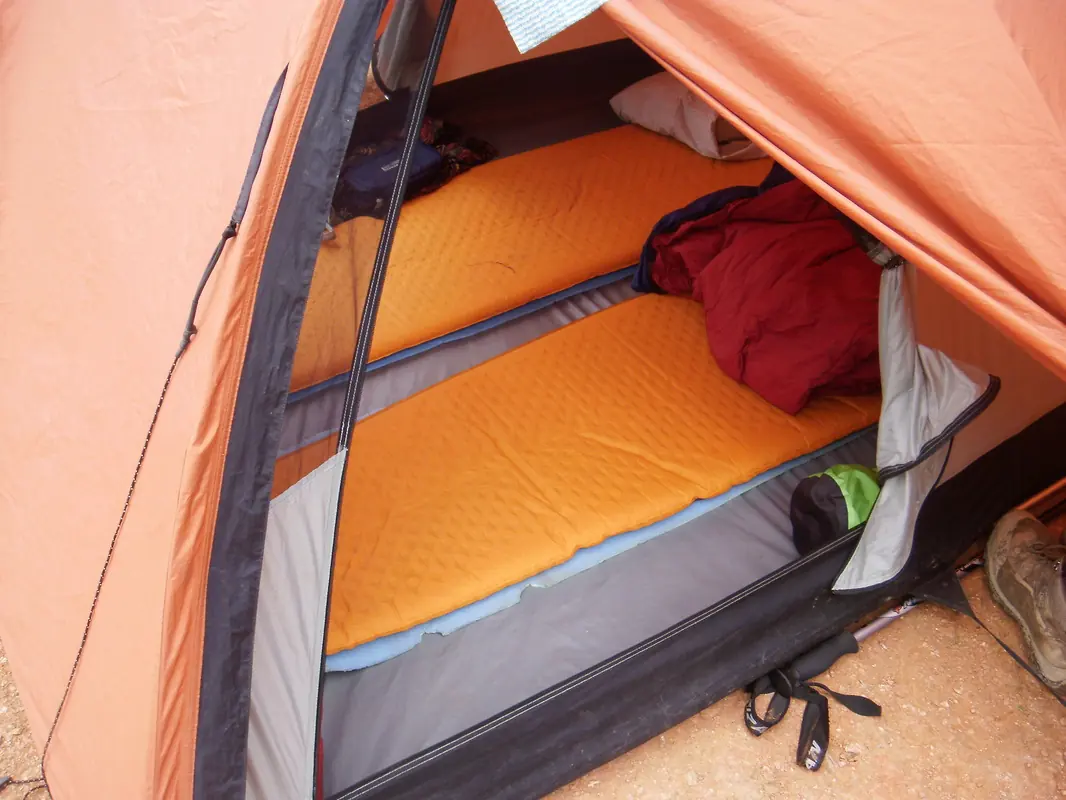
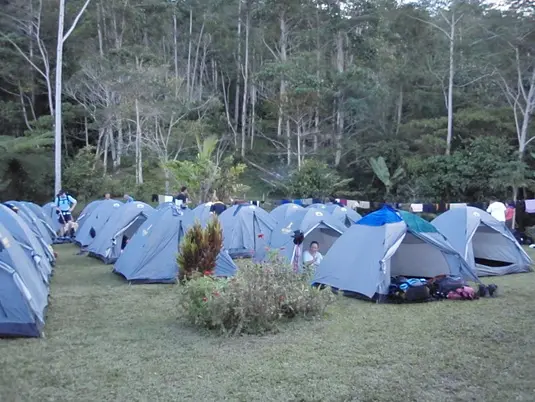
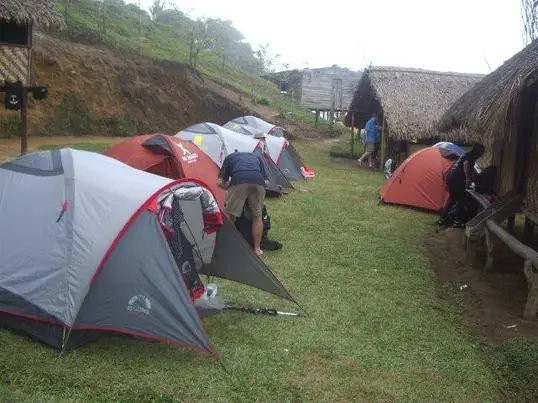
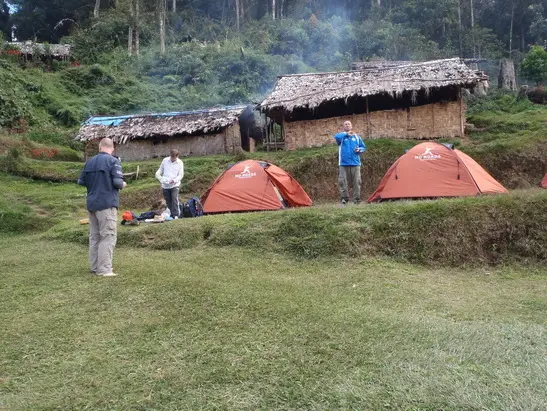
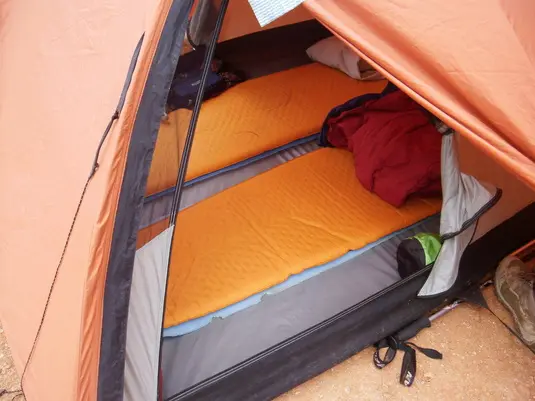
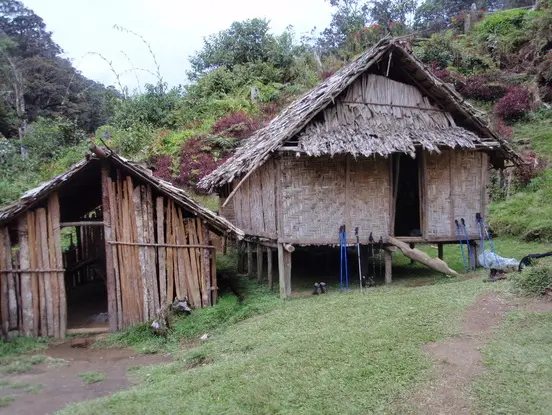
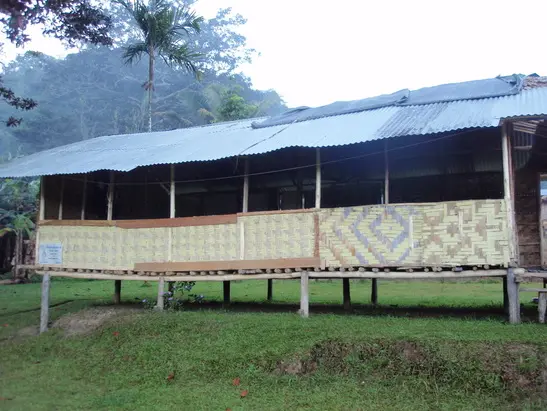
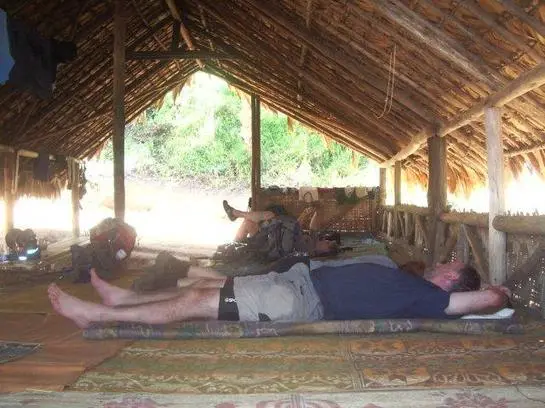
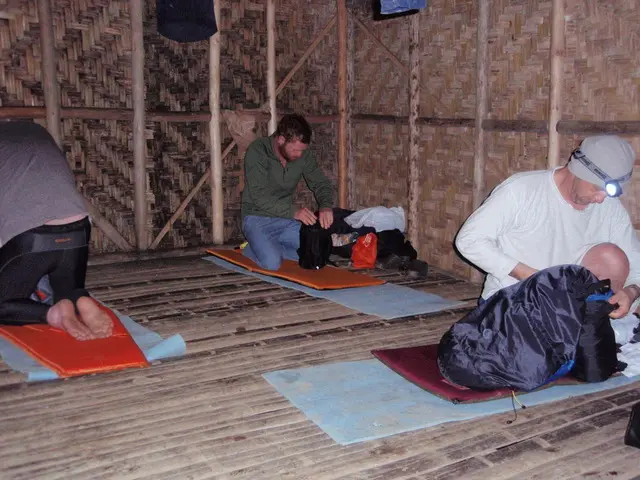
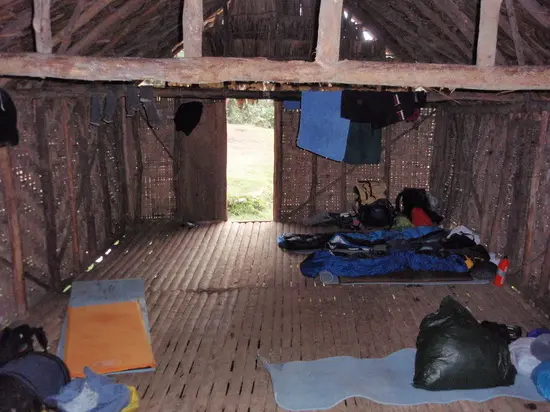
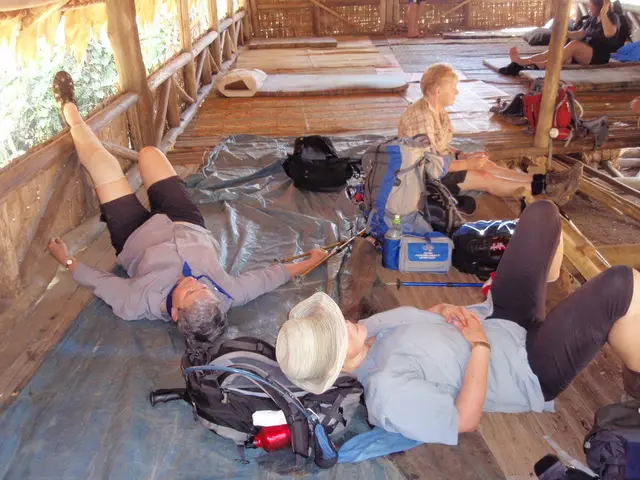
You can choose each day between a twin-share tent with an insect screen (more privacy and bug protection) or, where available, a simple village guest house with a roof, raised floor and open windows. Guest houses are shared with other trekking companies, so can't always be guaranteed. Use a mosquito net if you sleep in one.
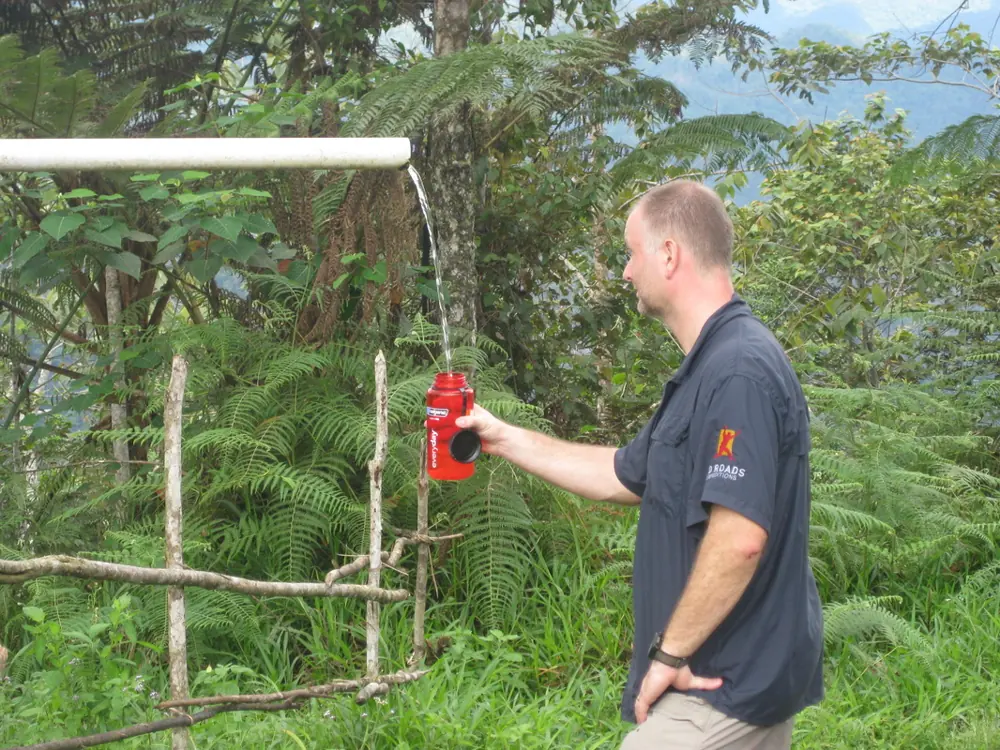
The guide team will set up the tents and the dining shelter, and cook your meals. Take your own sleeping bag.


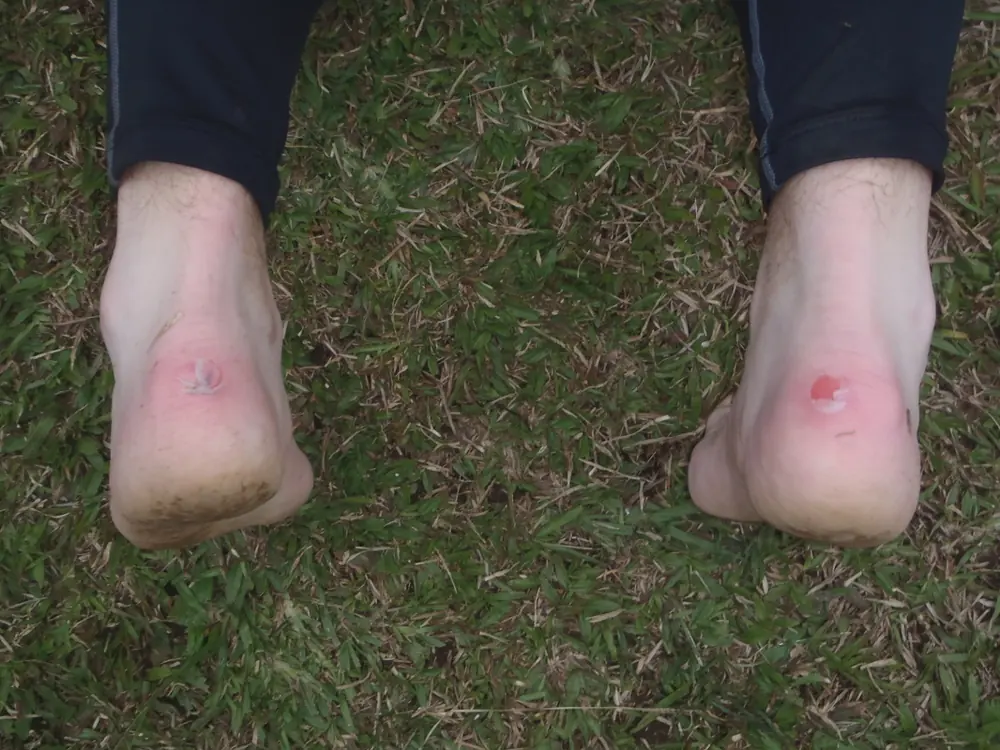
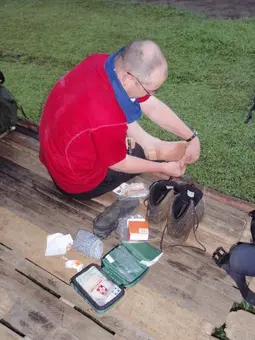
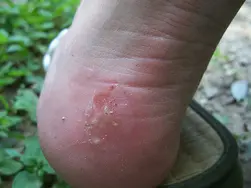
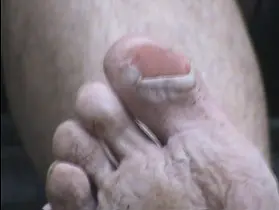
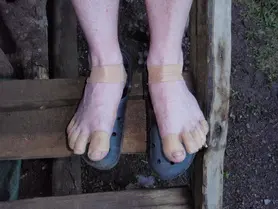
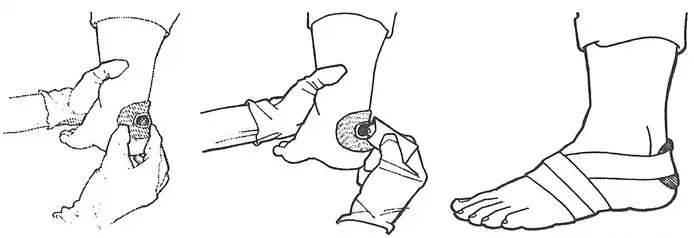
Blisters are the most common complaint. Prevent them with well worn-in boots, good socks, and by dealing with hot spots the moment you feel them: stop, dry the foot, and tape before a blister forms. If one does form, tell your guide. They'll help you drain and dress it properly.
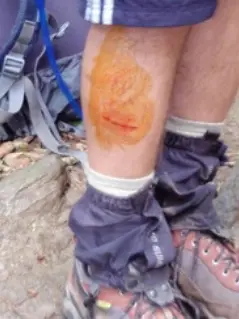
Minor cuts and scratches should be cleaned and covered promptly. In the tropics even small wounds can become infected quickly. Use your personal kit, and tell the guide about anything that doesn't improve.


One typical route is below. Treks vary in length and direction (and locally led treks usually run from Owers' Corner to Kokoda), so use this as a feel for the journey and check your own itinerary.
For more on the villages and battle sites along the way, see The Track.